%2Ffit-in%2F250x250%2Fguide_websites%2F72959%2Fimages%2F1768622255711367434341_122101737062016336_8018708766910308797_n.jpg&w=1200&q=100)
/users/53b03e85-1c73-4827-b318-744bfe68b404/ratecard/472542885_122232954842016336_6484369836088962540_n-mkhr04xt.jpg)
%2F300x300%2Fusers%2F53b03e85-1c73-4827-b318-744bfe68b404%2Fratecard%2F472542885_122232954842016336_6484369836088962540_n-mkhr04xt.jpg&w=256&q=75)
%2F300x300%2Fusers%2F53b03e85-1c73-4827-b318-744bfe68b404%2Fimages%2Fblack-drum-palm-bay-florida-2815.jpg&w=256&q=75)
%2F300x300%2Fusers%2F53b03e85-1c73-4827-b318-744bfe68b404%2Fimages%2Fpalm-bay-surf-fishing-catch-2760.jpg&w=256&q=75)
%2F300x300%2Fusers%2F53b03e85-1c73-4827-b318-744bfe68b404%2Fimages%2Fflorida-pompano-catch-fl-3321.jpg&w=256&q=75)
%2F300x300%2Fusers%2F53b03e85-1c73-4827-b318-744bfe68b404%2Fimages%2Fflorida-pompano-fish-palm-bay-3368.jpg&w=256&q=75)
%2F300x300%2Fusers%2F53b03e85-1c73-4827-b318-744bfe68b404%2Fimages%2Fbest-catch-florida-pompano-fish-3153.jpg&w=256&q=75)
%2F300x300%2Fusers%2F53b03e85-1c73-4827-b318-744bfe68b404%2Fimages%2Ffishing-adventure-florida-2677.jpg&w=256&q=75)
%2F300x300%2Fusers%2F53b03e85-1c73-4827-b318-744bfe68b404%2Fimages%2Ffishing-trip-florida-2661.jpg&w=256&q=75)
%2F300x300%2Fusers%2F53b03e85-1c73-4827-b318-744bfe68b404%2Fimages%2Ffishing-palm-bay-2847.jpg&w=256&q=75)
%2F300x300%2Fusers%2F53b03e85-1c73-4827-b318-744bfe68b404%2Fimages%2Fafrican-pompano-palm-bay-fishing-2594.jpg&w=256&q=75)
%2F300x300%2Fusers%2F53b03e85-1c73-4827-b318-744bfe68b404%2Fimages%2Fpermit-fishing-fl-2609.jpg&w=256&q=75)
3 Hour Surf Fishing Charter Port Canaveral
 Melbourne, FL, Sebastian, FL,Sebastian Inlet
What you will be catching:
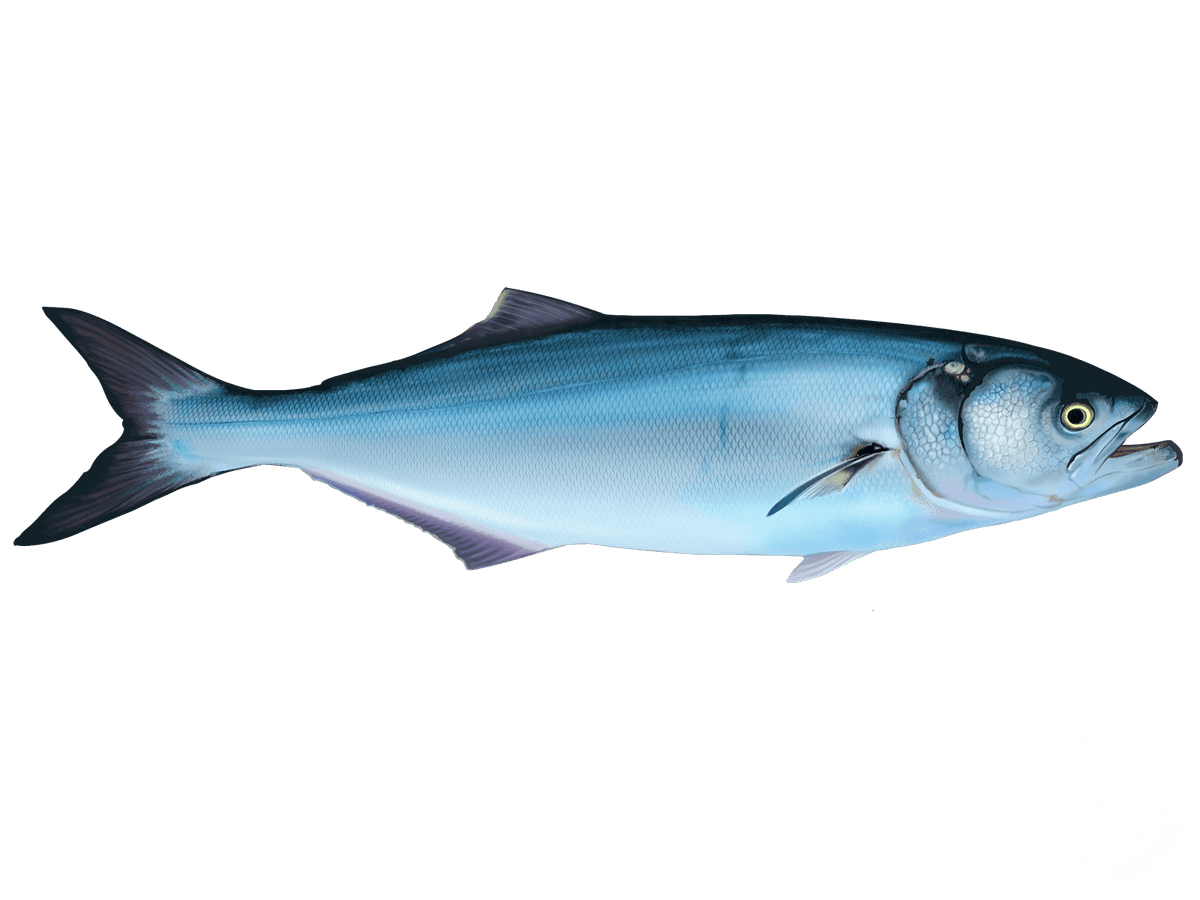
 Bluefish
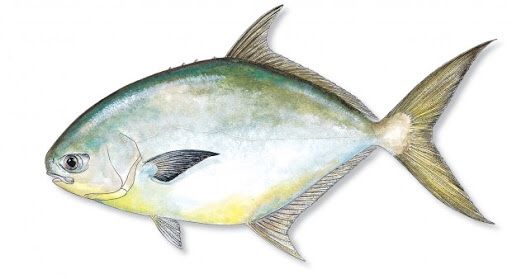 Florida Pompano
 Red Snapper
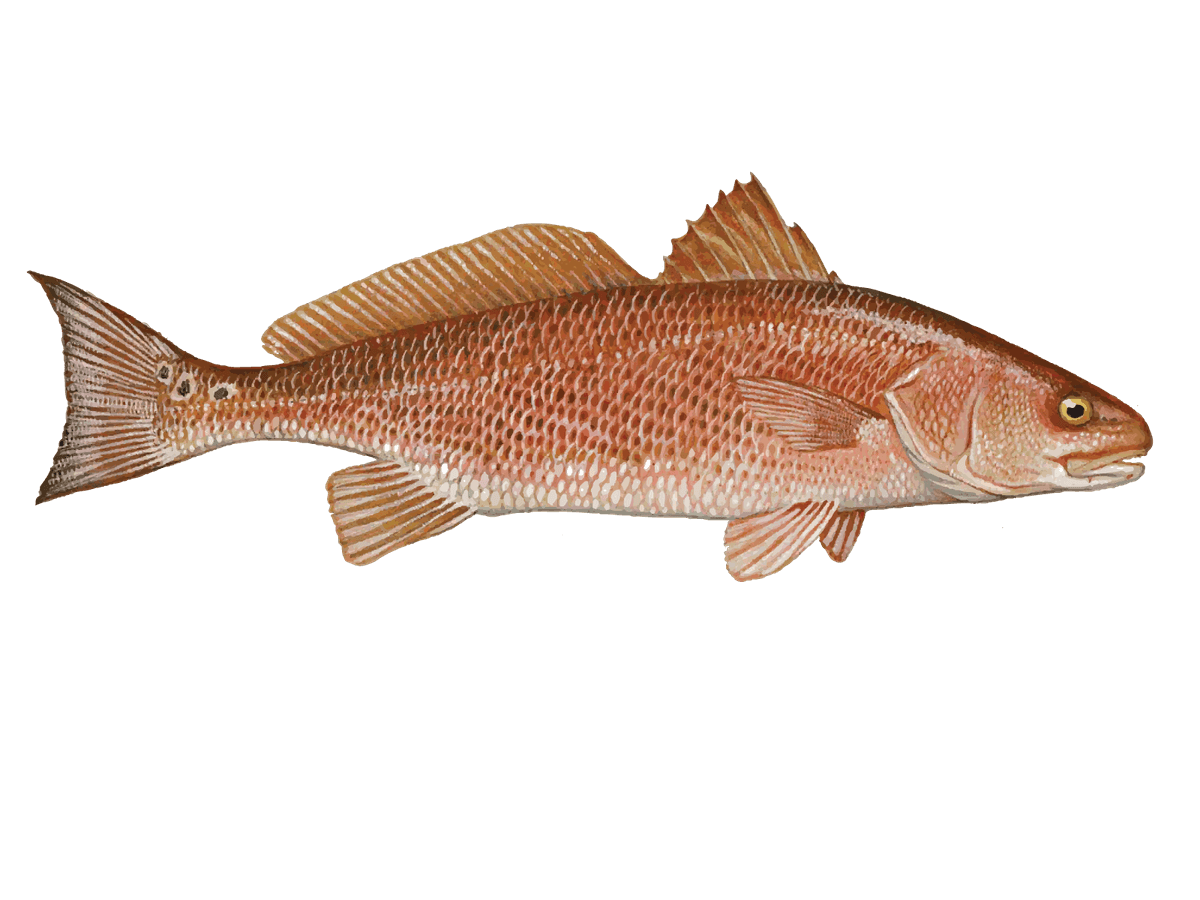
 Redfish
 Snook
Snook
- This 3-hour surf fishing charter gives you plenty of time to work the tides and chase whatever's running along Port Canaveral's beaches. We'll set you up with proven surf rigs and handle all the technical stuff while you focus on fishing for pompano, whiting, bluefish, snook, and redfish. The extended time means we can move spots if needed and really dial in on the bite. Perfect for families or anyone wanting to learn how surf fishing actually works
- you can stay as involved as you want while we guide you through reading the water and timing your casts. At $250 for two people, it's solid value for quality beach time.
Trip Pricing and Availabilities:
3 Hour Port Canaveral Surf Fishing Charter
Looking for a solid surf fishing experience without the rush? This 3-hour Port Canaveral surf fishing charter gives you real time to work the beach and dial in on what's biting. At $250 for two anglers, it's one of the top-rated shore fishing options along Florida's Space Coast. We handle all the heavy lifting – from rigging your lines to reading the water – so you can focus on landing fish and soaking up that ocean breeze. Perfect for families wanting to try something new or seasoned anglers who know that good surf fishing takes patience and the right approach.
What to Expect on the Beach
Port Canaveral's beaches offer some of the most consistent surf fishing on the east coast, and three hours gives us the flexibility to move with the action. We'll start by reading conditions – checking wind direction, wave height, and water clarity – then set up in spots where pompano, whiting, and redfish like to cruise. The extended time means we can work different tides and adjust our strategy if the first spot isn't producing. You'll fish with proven surf setups designed for these waters, using fresh bait that local species can't resist. Whether you're hands-on or prefer to relax while I handle the technical stuff, this trip adapts to your style. The beach fishing here benefits from deep water close to shore and structure that holds baitfish, making it a customer favorite for consistent action.
Surf Setups & Techniques
Surf fishing success comes down to the right gear in the right spots, and that's where experience pays off. We use medium-heavy surf rods paired with reels that can handle the salt spray and long casts needed to reach feeding fish beyond the breakers. Circle hooks and fish finder rigs keep your bait in the strike zone while minimizing snags on the sandy bottom. Bait selection varies with conditions and target species – fresh shrimp for pompano, cut mullet for redfish, and bloodworms when the whiting are schooled up. The key is reading the beach: looking for cuts, drop-offs, and current breaks where fish funnel through. I'll show you how to spot these features and explain why certain areas produce better than others. Three hours allows time to try multiple techniques and locations, giving you a real education in surf patterns along with some quality fishing time.
Species You'll Want to Hook
Florida Pompano are the crown jewel of surf fishing here, and Port Canaveral's beaches see excellent runs from October through March. These silver bullets fight way above their weight class, making screaming runs that'll test your drag system. Pompano average 1-3 pounds but their speed and power make every hookup memorable. They school up in the surf zone, feeding on sand fleas and small crabs, so when you find one, there's usually more nearby. Fresh shrimp on a small circle hook is the go-to setup, and the trick is keeping your bait moving just enough to look natural.
Redfish patrol these waters year-round, with fall and spring offering the best action. These copper-colored fighters can range from schoolie-sized 18-inchers to bull reds pushing 30+ pounds and beyond slot limits. They're ambush predators that love to cruise the first gut behind the breakers, picking off baitfish and crustaceans. Cut mullet or large shrimp on a fishfinder rig works well, and redfish aren't shy about taking bait in relatively shallow water. The fight is all about power – they'll make strong runs parallel to the beach and use the surf to their advantage.
Snook bring serious attitude to surf fishing, especially during their summer spawning runs around the inlet. These lime-green predators have razor-sharp gill plates and a mouth like a bucket, making them both exciting and challenging to land. They ambush baitfish in the wash and around structure, often striking with explosive force before trying to cut your line on whatever they can find. Live bait works best, but fresh cut fish can trigger strikes when they're feeding aggressively. Snook are highly regulated, so we'll make sure you understand the current rules before targeting them.
Whiting might not win beauty contests, but they're fantastic table fare and fight harder than their size suggests. These silver-sided bottom feeders school up heavily during cooler months, sometimes providing non-stop action for hours. They average 8-12 inches but larger "Virginia mullet" can reach 16+ inches and make respectable runs. Bloodworms and small pieces of shrimp are whiting candy, and they're not picky about presentations. Great fish for beginners and kids since they bite aggressively and aren't too challenging to land.
Bluefish bring pure aggression to surf fishing, traveling in schools that can turn the water into a feeding frenzy. These toothy predators hit hard and fight dirty, making blistering runs and aerial displays that keep things interesting. Spring and fall migrations bring the best bluefish action, with fish ranging from "snapper" blues under a pound to "chopper" blues over 10 pounds. They'll take almost any bait or lure, but fresh cut fish drives them crazy. Handle with care – those teeth are sharp and they know how to use them.
Time to Book Your Spot
This 3-hour surf fishing charter delivers the perfect balance of relaxation and action, giving you enough time to really experience what Port Canaveral's beaches have to offer. At $250 for two people, with additional anglers at $60 each, it's a world-class fishing experience that won't break the bank. Whether you're looking to try surf fishing for the first time or want to improve your beach reading skills, this trip provides the guidance and flexibility to make it happen. The extended time frame means better tide coverage and more opportunities to connect with seasonal species. Book now and discover why so many anglers consider Port Canaveral surf fishing their go-to option for consistent action and memorable catches
Learn more about the species
Bluefish
Bluefish are aggressive feeders that show up in our surf during their seasonal runs, usually summer into fall. These blue-green torpedoes average 1-5 pounds but can hit 20+ when the big schools move through. They travel in packs, attacking baitfish in feeding frenzies that turn the water into a washing machine - we call it a "bluefish blitz." You'll find them in the surf zone, estuaries, and anywhere there's baitfish. They fight hard with strong runs and head shakes. The meat is excellent when fresh, especially smaller fish under 5 pounds. Watch out for those razor-sharp teeth - they'll bite anything, including your fingers. Best tip: when you catch one, keep fishing the same spot fast. The school won't stick around long.
Florida Pompano
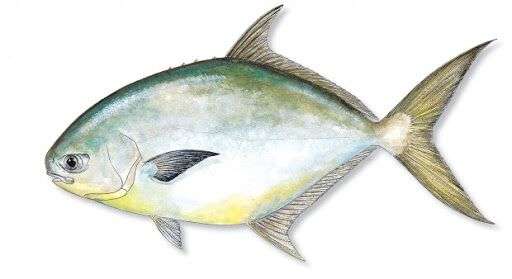
Pompano are the crown jewel of surf fishing - there's a reason Pompano Beach got its name. These silvery, disc-shaped fish average 1-3 pounds with bright yellow fins that flash in the surf. They travel in schools along sandy beaches, feeding on small crabs and sand fleas in the first trough. Summer and fall are prime time when they're pushing through on their migration. What makes them special is that buttery, rich meat that commands restaurant prices. They're scrappy fighters for their size, making quick runs parallel to the beach. Here's the key: use small hooks and fresh sand fleas or shrimp. Fish the moving water where waves are washing over the sandbar - that's where they feed.
Red Snapper
Red Snapper aren't common in our surf fishing, but when they show up it's worth mentioning. These deep-water fighters typically live 30-600 feet down around structure and reefs. You'll recognize them by that bright red color and solid build - most run 1-2 feet but can hit 35 pounds. They're absolute warriors when hooked, diving straight for cover to cut your line. Peak season runs May through October when they spawn. What really gets anglers excited is the table quality - mild, nutty flavor that restaurants pay top dollar for. If you do hook one from the beach, it's likely a juvenile that wandered shallow. Keep steady pressure and don't let them reach bottom.

Redfish
Redfish are probably the most recognizable fish you'll catch in our surf - look for that distinctive black spot near the tail and copper-red back. Most run 20-30 inches here, but we've seen some bruisers push 40+. They love super shallow water, sometimes with their backs showing, cruising sandy flats and around structure. These fish hit hard and fight dirty, making long runs that'll test your drag. Spring through fall gives you the best action, especially on moving tides. They're fantastic table fare too - firm, white meat that's hard to beat. Pro tip: when you see one, there's usually more around. Keep your bait in the same zone and stay quiet.
Snook
Snook are one of our premier gamefish - sleek, golden fish with that bold black lateral line running down their sides. They average 18-28 inches in our area, but trophy fish over 30 inches aren't rare. You'll find them around structure like jetties, docks, and mangrove shorelines in shallow water. They're temperature sensitive, so spring through fall gives you the best shots when water stays above 60 degrees. What makes them exciting is that explosive strike and bulldogging fight - they'll make powerful runs and try to wrap your line around anything nearby. They're catch-and-release only right now, which keeps the population healthy. Pro tip: use live bait near structure during moving water, and be ready - they hit fast and hard.

About the Barrier Charters
%2F%2Fusers%2F53b03e85-1c73-4827-b318-744bfe68b404%2Fvehicle_picture%2F545429017_122277867218016336_3419730974496385344_n-mkhpvw2s.jpg&w=1200&q=75)
Vehicle Guest Capacity: 3
Manufacturer Name: Yamaha
Maximum Cruising Speed: 25
Number of Engines: 1
Horsepower per Engine: 150